Black-Framed Shower Glass: The Move That Saves a Small Bathroom
One strong architectural line, three styling rules, and the renter-friendly version that fakes the look.
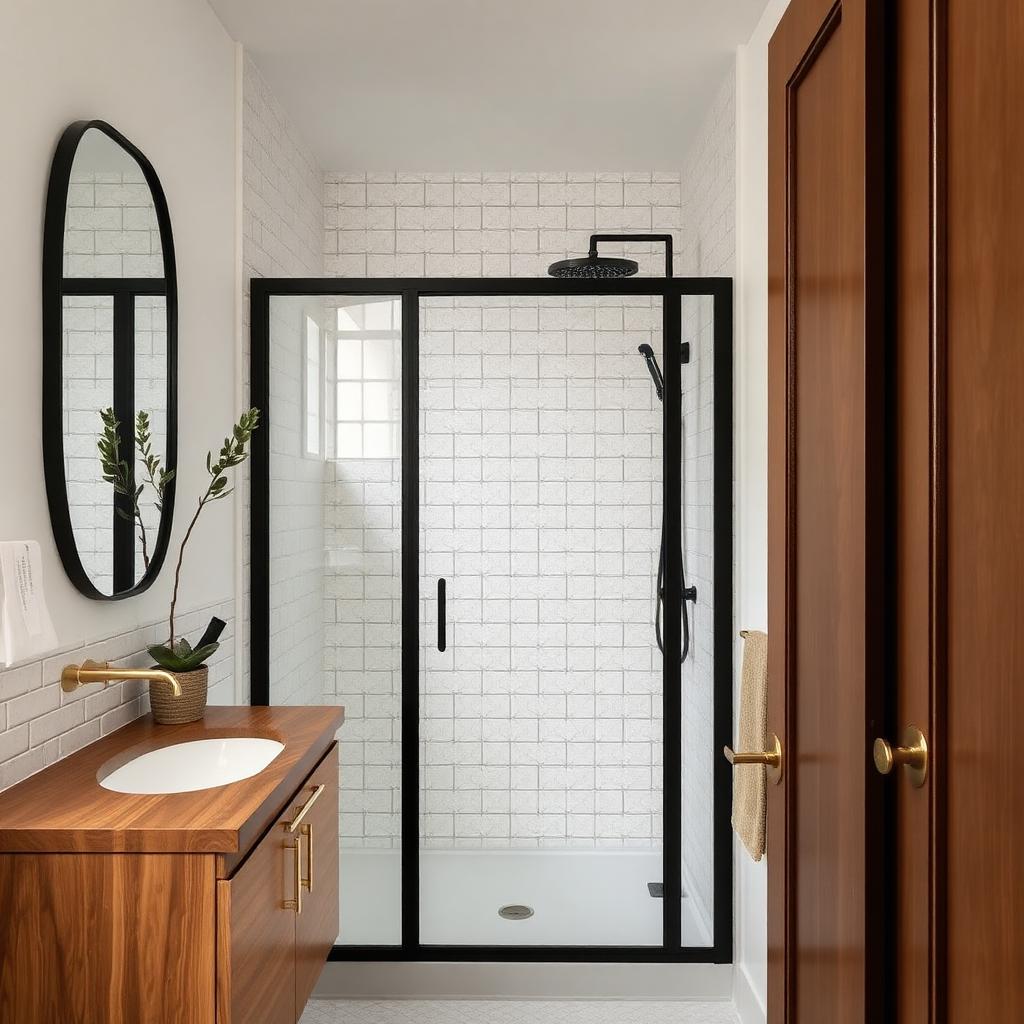
Most small bathrooms have the same problem. The room is fine, technically — the plumbing works, the door closes, the light comes on — but it feels like a closet with tile in it. There is no sense of design, no breathing room, nothing your eye actually wants to look at. The solution is almost never a full renovation. It is a single, considered architectural move, and in 2026 the move that is quietly transforming small bathrooms across the country is the black-framed glass shower screen.
Why the black frame works in tiny rooms
Counterintuitively, adding a strong dark line to a small bathroom makes the room feel bigger, not smaller. The framed shower acts like a piece of architecture instead of a thrown-in fixture. It gives the eye a place to land. It draws a sharp boundary between wet and dry zones without using a curtain (which always reads as cluttered). And it lets you keep the rest of the bathroom palette light and quiet, which is what makes a small room feel calm.
The frame also solves a styling problem most people do not realize they have: an all-white bathroom is hard to photograph, hard to remember, and hard to feel anything about. One dark, intentional line is all the contrast a small room needs to feel designed.
Choosing the right frame profile
Frame profiles range from chunky industrial to fine and minimal. For a small bathroom, go finer than you think. A half-inch profile reads as crisp and modern; a one-inch profile starts to look heavy. Matte black powder coating is the standard and the most forgiving — gloss black shows every water spot and fingerprint within a week.
Single panel vs. hinged door
A fixed single panel (a 'walk-in' configuration) is the cleanest look and the cheapest to install, but it only works if the shower opening is wide enough to walk around. For openings under 36 inches a hinged door is necessary. Sliding doors look great in larger bathrooms but get fussy at small sizes — avoid them under 48 inches of opening width.
Pairing the frame with everything else
Once the black frame is up, the rest of the bathroom needs to step back and let it lead. The cardinal rule is to repeat the black somewhere else — once, and only once — to make the frame feel intentional instead of dropped-in. Good options: a black faucet, a black framed mirror, black drawer pulls, or a black hand-towel ring. Pick one. Adding two or three creates visual noise; adding none makes the frame look orphaned.
Everything else in the room should be warm and light. Pale tile, warm wood vanity, brass or unlacquered nickel for any remaining metals (the warm metals offset the cool black beautifully), and one small living plant. That is the formula.
The tile underneath
Inside the shower, a small-format tile (handmade zellige, square mosaic, or stacked subway) reads beautifully behind a strong frame. The grout grid creates texture that the frame celebrates rather than fights. Avoid large-format porcelain slabs in this configuration — they are gorgeous in big bathrooms but visually empty behind a black frame. The frame needs something to react against.
- ✓Single-panel black-framed shower glass — pre-fabricated 10mm tempered
- ✓Stacked or handmade subway tile for the shower walls
- ✓Warm wood floating vanity
- ✓Brushed brass single-handle faucet
- ✓Round black-framed mirror, sized to two-thirds the vanity width
- ✓One large eucalyptus stem in a ceramic vase
Installation: contractor or DIY?
Be honest: this is a contractor job for most people. Glass panels are heavy, the wall anchors must hit framing perfectly, and a level installation is non-negotiable. Expect a half-day install and a fair price quote from any glass company. If you are determined to DIY, choose a pre-fabricated panel kit (sold in standard widths from 30 to 48 inches) and recruit a friend with experience — never install glass alone.
Keeping it clean
The single best move you can make is a daily squeegee — fifteen seconds after each shower and water spots simply never form. A small silicone squeegee on a suction hook by the shower handle is the quiet hero of every well-maintained glass enclosure I have ever seen. Beyond that, a monthly wipe of the metal frame with a soft cloth and a drop of dish soap is all the maintenance the frame itself needs.
"One strong line is all a small bathroom needs to feel intentional. Add one, remove the rest of the clutter, and the room is done."
— HomeBliss editorial, May 2026
Frequently asked questions
Will it fit a clawfoot tub configuration?
Yes — there are oval freestanding frames designed specifically to circle a clawfoot, though they are pricier than flat panels. For a more affordable look, a single straight black panel mounted from the ceiling to half-height works beautifully as a splash guard.
Does the black frame date the bathroom?
Black metalwork has been used in bathrooms continuously since the early 20th century — it is not a trend so much as a periodic rediscovery. A clean black frame on simple tile will read well thirty years from now.
What if I rent?
You cannot install a permanent shower frame in a rental, but a tension-mounted black metal shower rod with a matching matte black ring of glass shower curtain hooks gets you eighty percent of the look at twenty percent of the cost — and packs up when you move.
Final thoughts
If your small bathroom feels stuck and you cannot put your finger on why, this is the upgrade I would do before anything else. One framed glass panel, one repeated black accent, a warm wood vanity, and a plant. The room will feel like a different bathroom by the end of the same week.
Pin this for later
Save this guide to your Pinterest board so it's there when the weekend hits.
📌 Pin it on PinterestWas this helpful?

Emma Clarke
Founder & Editor in Chief
Emma is the founder and editor in chief of HomeBliss. Before starting the magazine she spent twelve years working as an in-home stylist for first-time buyers, renters, and weekend renovators across the UK and US. She believes the best decorating advice is honest, repeatable, and tested in a real home with a real budget — preferably one with a curious dog underfoot.
Related articles
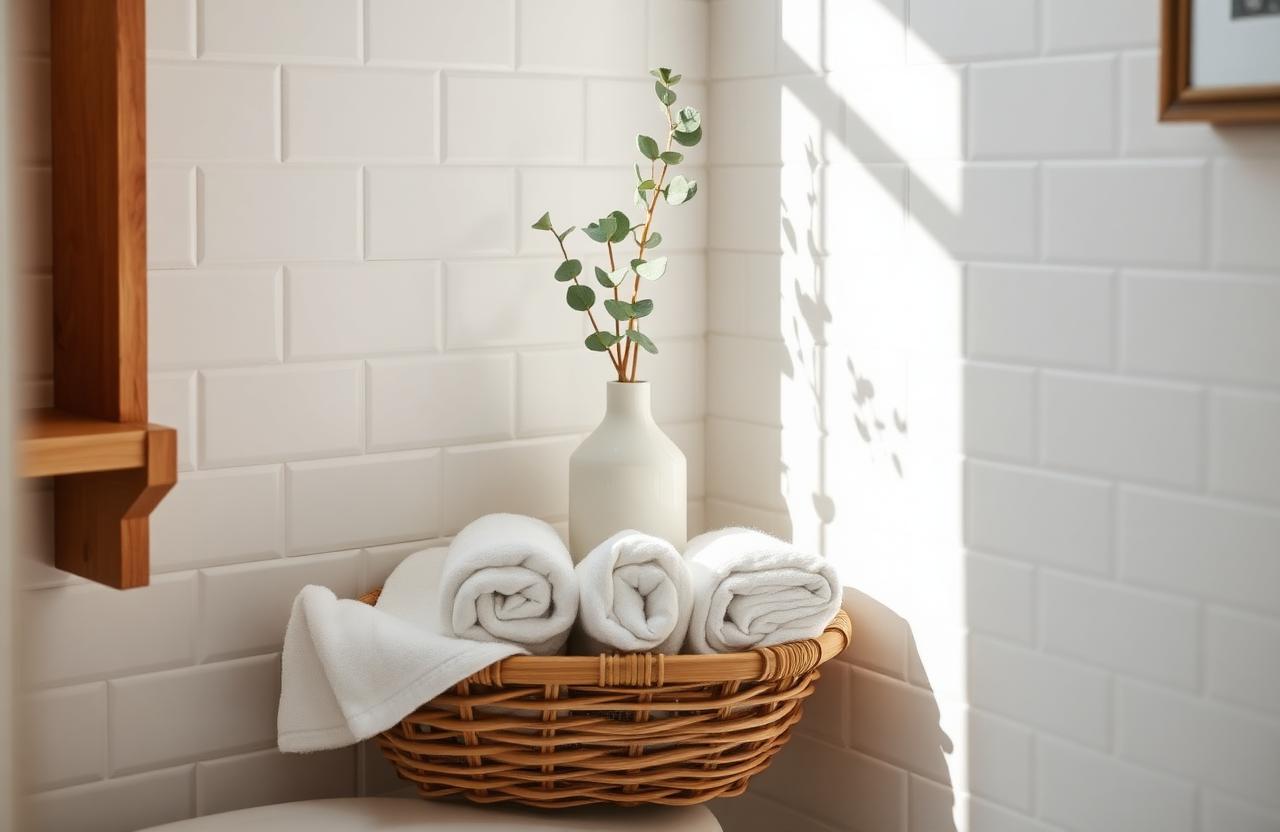
Spa-Like Bathroom on a Budget: 7 Changes Under $40 Each
Hotel-quality towels, a single eucalyptus stem, and a paint trick for builder-grade mirrors.
 Maya Patel·8 min read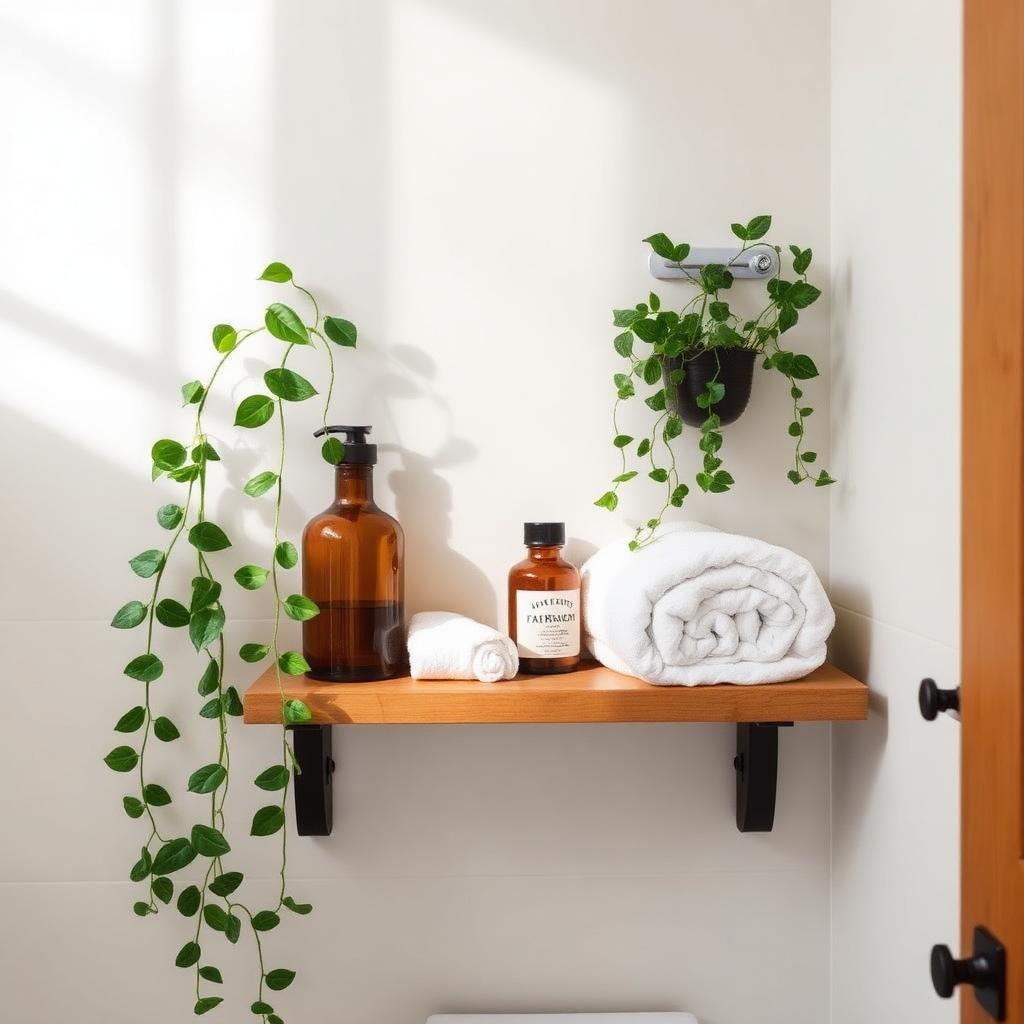
The Bathroom Plant Shelf That Actually Survives (5 Plants That Thrive)
The five plants that love bathrooms, the shelving that survives steam, and the weekly shower routine.
Maya Patel·9 min read