Container Vegetable Garden for Tiny Balconies (5 Plants, 6 Pots, Real Food)
The first-timer's roadmap to growing actual meals on a balcony — pots, soil, plants, and the 5-minute daily routine.
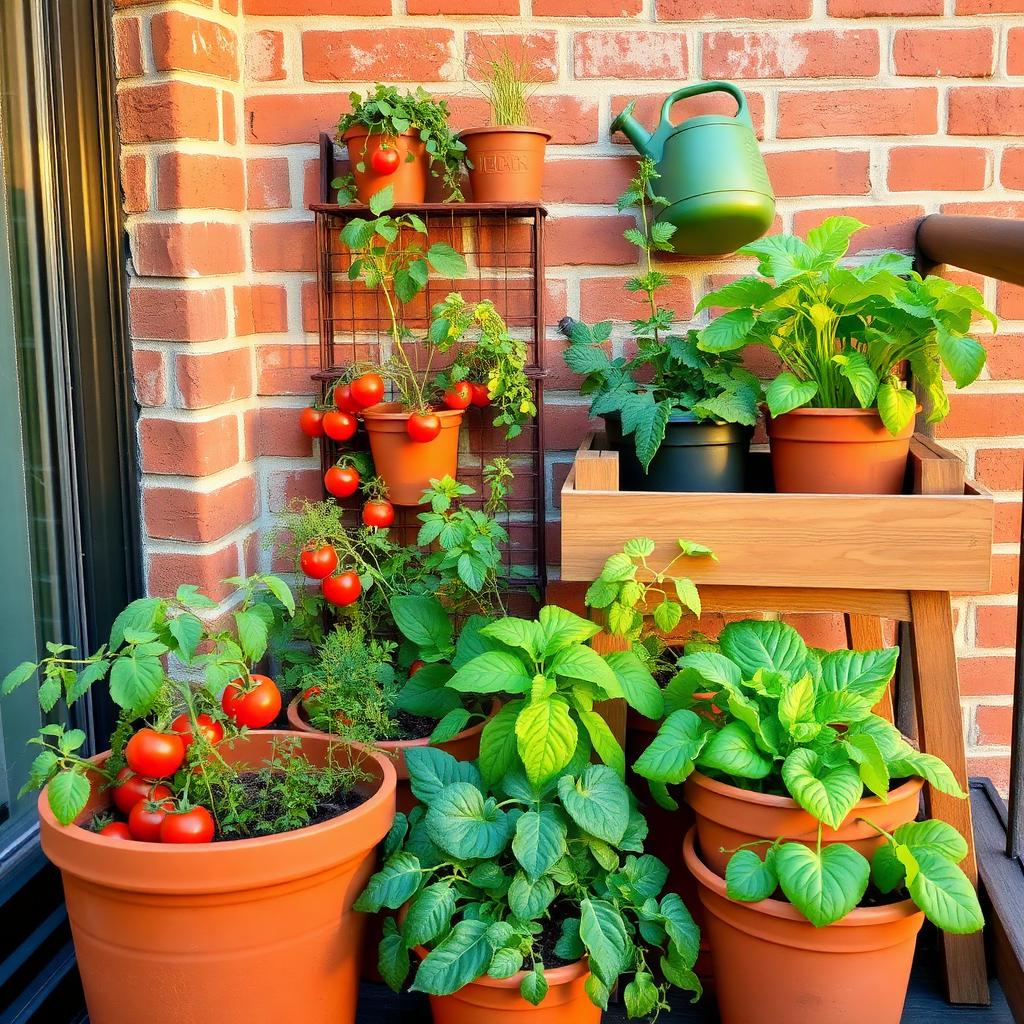
You do not need a yard to grow your own food. You do not even need a balcony if you have a sunny window. The container vegetable garden — a few well-chosen pots, the right soil, the right plants, and a watering routine you can actually keep — produces a surprising amount of food in a surprisingly small footprint. This is a guide for first-time growers, written for people who live in apartments, rentals, or small urban homes and have always assumed gardening was for someone with more land than they have.
Why container gardening works in small spaces
Plants do not actually care about your real estate. They care about three things: sunlight, water, and soil. A container that delivers all three reliably produces just as well as a raised bed in a suburban backyard. In some ways it produces better — you control the soil precisely, you avoid most pests, and you can move pots to follow the sun across the season.
A six-pot setup on a sunny balcony will give a household of two enough fresh tomatoes, herbs, lettuce, and chilies through the warm months to genuinely shift what is in the kitchen. That is not a small claim and it is not an exaggeration; I have grown food on three apartment balconies and the math holds every year.
The five plants every first-time container gardener should start with
Cherry tomatoes
The most rewarding container vegetable by a wide margin. One healthy plant in a 5-gallon pot will produce hundreds of tomatoes over a season. Choose a determinate variety (it stops growing at a predictable size) and stake it early.
Basil
Grows alongside tomatoes happily and improves their flavor (and yours). Pinch the tops weekly to keep it bushy. One pot produces more basil than most households can use.
Lettuce — cut and come again
Loose-leaf varieties that you harvest from the outside in. A shallow but wide pot of mixed-leaf lettuce delivers salad every few days for two months.
Chilies
Love heat, love containers, are incredibly productive. One healthy plant gives you a year's worth of chilies in a single summer. Jalapeños and Thai bird's-eye are both beginner-friendly.
Mint
Must be in its own pot — it is invasive and will choke any other plant it shares soil with. But contained, it is gorgeous, useful, and impossible to kill.
Choosing pots that perform
Pot material matters more than people realize. Terracotta is beautiful and breathes well, but dries out quickly and is heavy. Glazed ceramic holds moisture and stays cooler in summer. Fabric grow bags are the dark horse of container gardening — affordable, fold flat when empty, drain perfectly, and produce remarkable yields. Plastic pots work but heat up in direct sun, which stresses roots.
Size is non-negotiable. Tomatoes and chilies need at least five gallons; herbs and lettuce can do one to two. Smaller pots mean smaller, more stressed plants and significantly more watering.
Soil — the part most beginners get wrong
Do not use garden soil in containers. Garden soil compacts, drains poorly, and brings disease. Use a high-quality potting mix designed for containers, ideally one labeled for vegetables. Mix in compost (about one part compost to three parts potting mix) and a slow-release organic fertilizer at planting.
- ✓Five fabric grow bags or terracotta pots (5-gallon, 5-gallon, 5-gallon, 2-gallon, 1-gallon)
- ✓High-quality container potting mix
- ✓Bag of finished compost
- ✓Slow-release organic fertilizer
- ✓Tomato cage or bamboo stakes
- ✓Watering can with a long spout
- ✓Saucers or trays under each pot
The weekly routine that keeps everything alive
Check water daily during hot weather — push a finger an inch into the soil; if it is dry, water until it drains from the bottom. Feed with a diluted liquid organic fertilizer once every two weeks. Pinch herbs and tomato suckers weekly. Harvest constantly — most container vegetables produce more the more you pick from them. That is the entire routine. It takes five minutes a day in summer.
When something goes wrong
Yellowing leaves usually mean over-watering, not under. Wilting in the heat that recovers overnight is normal — wilting that does not recover means you missed a watering badly. Holes in leaves are usually slugs (set out a small dish of beer overnight). Tomatoes splitting on the vine is irregular watering — keep the routine steady.
"Grow what you eat, not what you think you should grow. A pot of basil you actually use is worth ten of anything you don't."
— HomeBliss editorial, May 2026
Frequently asked questions
How much sun do I actually need?
Six hours of direct sun for tomatoes and chilies. Four hours for herbs and lettuce. Less than four hours, stick to mint, parsley, and leafy greens only.
Can I do this on a north-facing balcony?
Yes, but limited to shade-tolerant crops — lettuces, herbs (especially mint, parsley, chervil), and a few greens like spinach. No tomatoes or chilies.
What do I do in winter?
Empty most pots, store them dry. Keep one pot of hardy herbs (rosemary, thyme) by the door for cooking through cold months. Start seedlings indoors in March for transplant in May.
Final thoughts
A small container garden is a slow gift to yourself across the whole summer. The first cherry tomato you eat off your own plant tastes like nothing you can buy. Five pots, six hours of sun, a Sunday of setup, and a five-minute daily check-in. That is the entire commitment, and it will change how you feel about your kitchen.
Pin this for later
Save this guide to your Pinterest board so it's there when the weekend hits.
📌 Pin it on PinterestWas this helpful?

Jordan Reyes
DIY Projects Editor
Jordan runs the DIY desk at HomeBliss. A self-taught woodworker and longtime renter, he's spent the last decade figuring out which projects are actually worth doing and which ones cost more than just buying the thing. He writes tutorials the way he wishes someone had written them for him at twenty-three.
Related articles
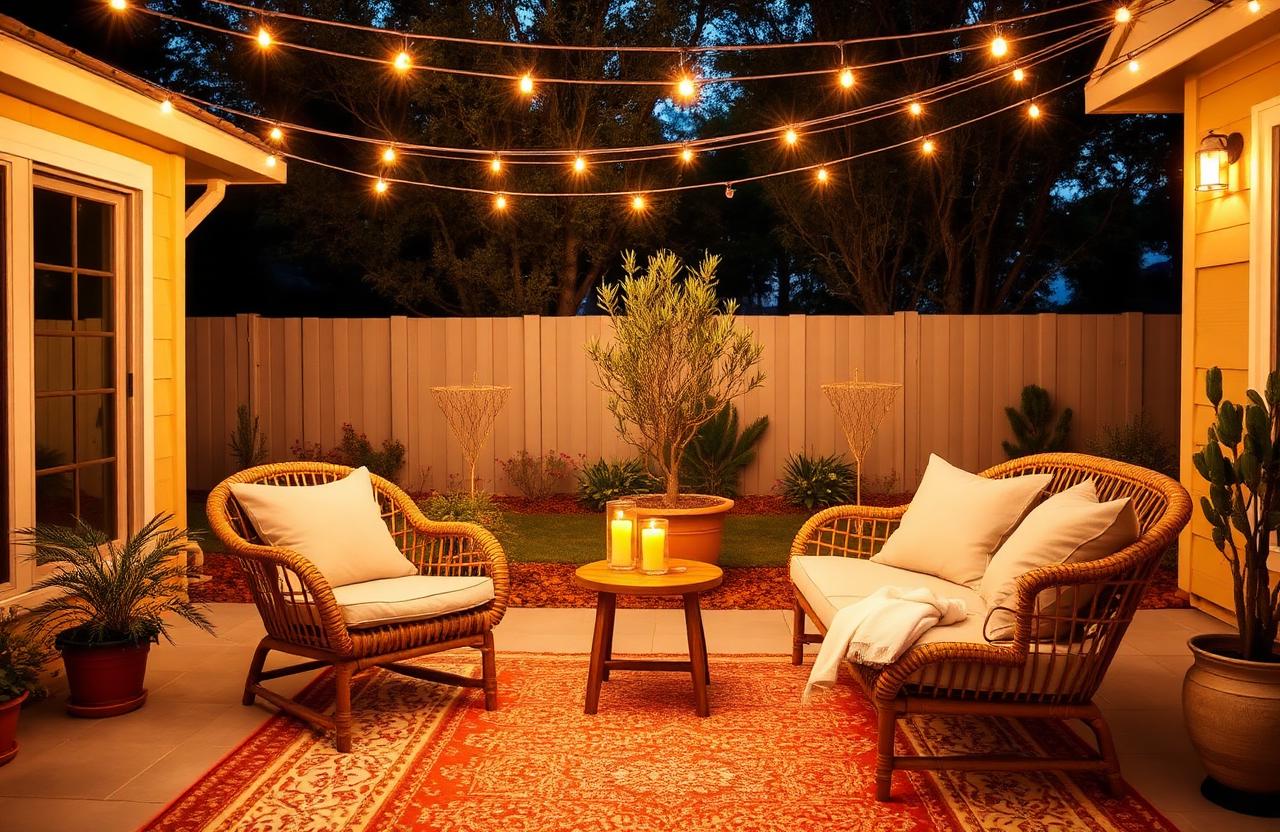
Outdoor Patio Makeover on a Budget: Our $250 Backyard Reset
String lights, a thrifted rug, and the one container plant that did all the heavy lifting.
 Maya Patel·9 min read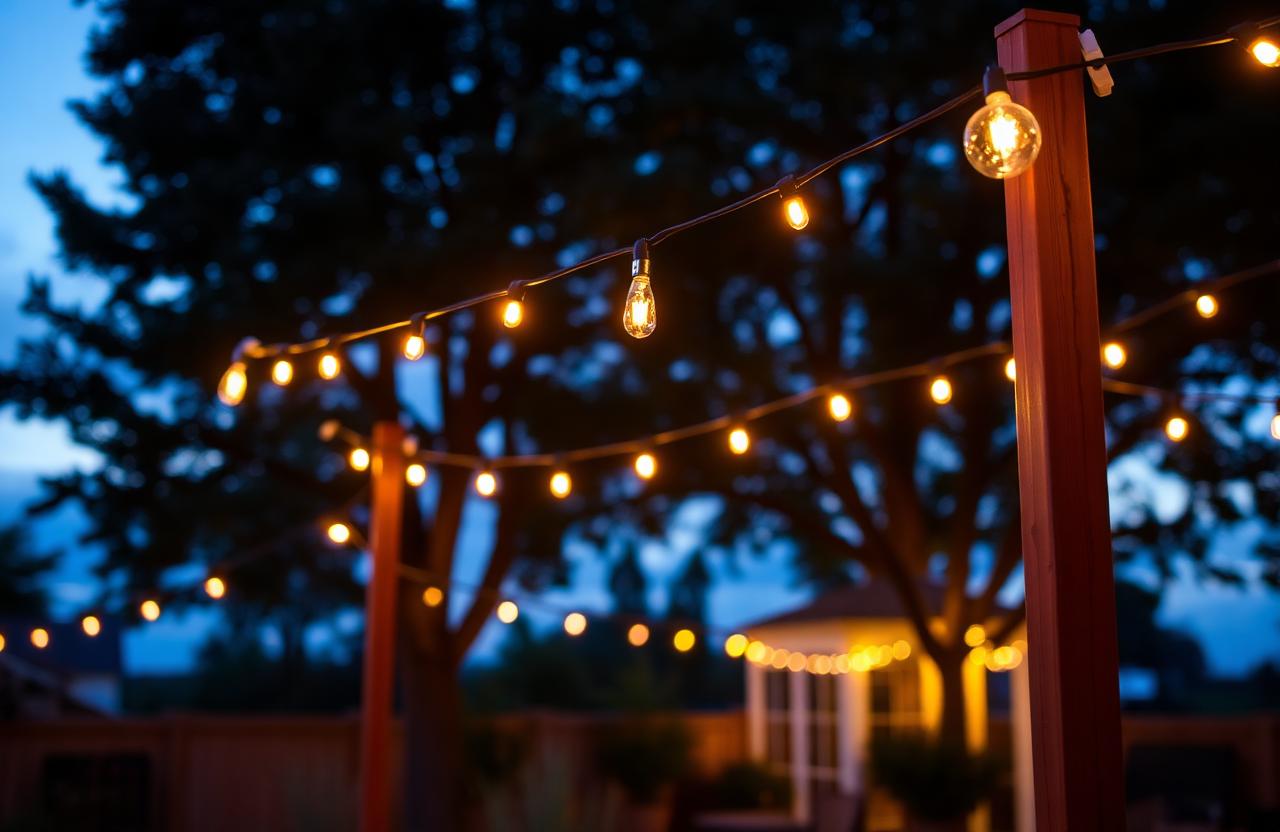
Outdoor String Lights: The Hanging Pattern That Actually Looks Good
Avoid the sad backyard zig-zag — the catenary curve trick and the bulb spacing that matters.
Jordan Reyes·7 min read