The Four-Layer Bedroom Method That Always Looks Designed
The stylist's formula for a bed that feels like a sanctuary — texture, weight, light, and one personal object.
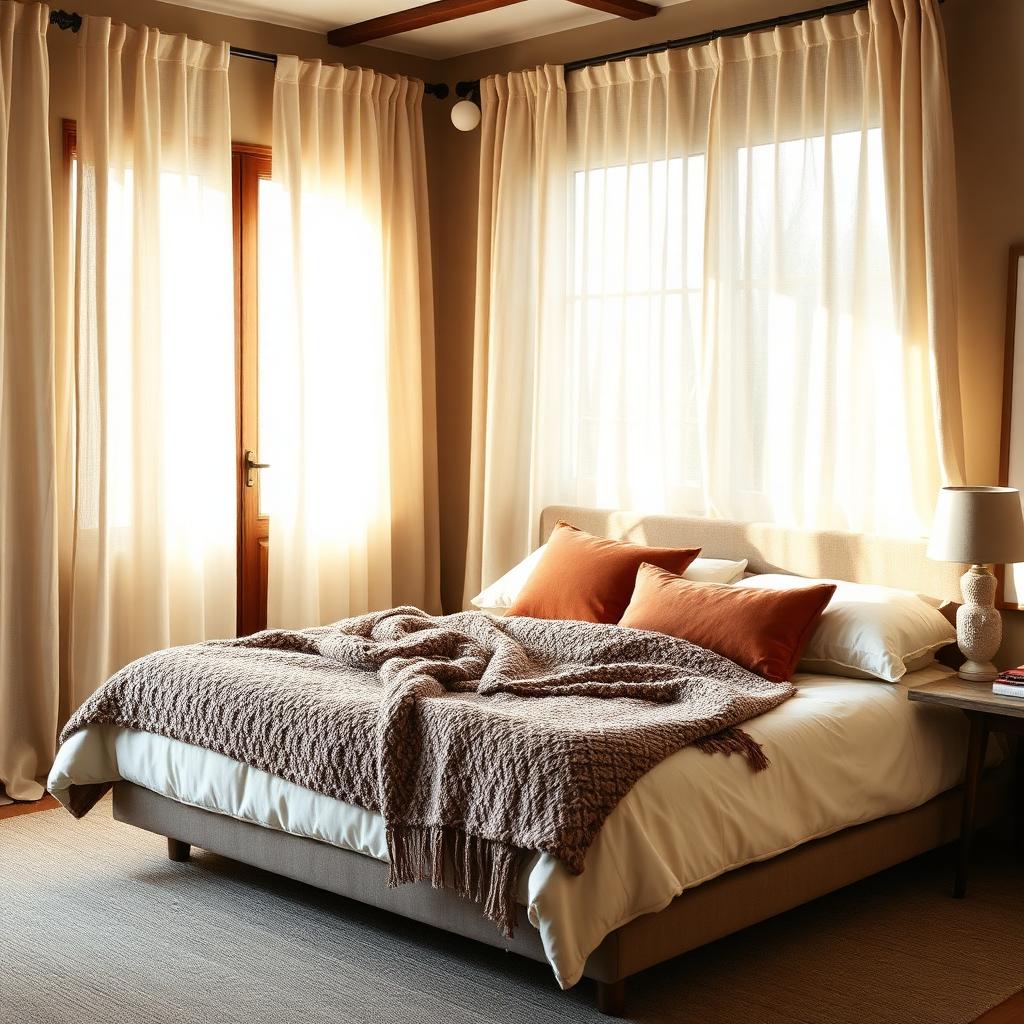
There is a specific kind of bedroom that you walk into and immediately feel your shoulders drop. It is not always the largest room, or the most expensively decorated, or the one with the best view. It is the room that has been layered — fabric on fabric, weight on weight, soft thing piled on soft thing — until the whole space feels like a held breath. After fifteen years of styling bedrooms for clients and writing about sleep environments for HomeBliss, I am convinced that layering is the single skill that separates a bedroom that looks made from one that feels lived in. And the good news is it is a learnable habit, not a talent.
Why layering matters more than matching
Most of us were taught, somewhere along the way, that a bedroom is supposed to match. Headboard with nightstands with lamp shades with bed skirt. Pottery Barn taught a whole generation this rule and it has been very hard to unlearn. But matched rooms are quiet in the wrong way — they read as a showroom, not a sanctuary. The rooms that actually invite you to sit down and stay are the ones where nothing quite matches but everything belongs. A linen duvet on top of a cotton sheet on top of a wool blanket on top of a quilt your aunt made. That is a bed you want to climb into.
Layering also solves a problem that matching cannot, which is the changing season. A monochrome white bed looks beautiful in July and frigid in December. A layered bed simply absorbs the seasons — you swap a lightweight cotton waffle for a chunky knit throw, and the room shifts mood without you having to redecorate. It is the lazy person's version of being intentional, and I mean that as the highest compliment.
The four layers every restful bedroom needs
I think about every bedroom in four layers, in this order, and I do not move on from one until I am happy with it. The order matters because the bottom layers carry the weight of everything above them — get them wrong and no amount of styling on top will save the room.
Layer one: the floor
Carpet or hard floor, it does not matter — what matters is that there is something soft and large under the bed. A rug under a bed is one of the most overlooked moves in bedroom decorating. It does not have to be expensive or even particularly special; it just has to be present. The rule is simple: the rug should extend at least two feet past the foot and sides of the bed. That is what your bare feet land on at six in the morning, and it changes how a room feels before you have even sat up.
Layer two: the bed itself
Three layers minimum on the bed. A bottom sheet you actually want to sleep on (linen if your budget allows, percale cotton if not — never sateen, which feels good in the store and sleeps hot at home). A duvet or quilt in the middle, weighty enough to feel like a hug. And a throw at the foot, folded long-ways, in a contrasting texture. That third throw is the magic ingredient. Without it the bed looks unmade; with it, the bed looks designed.
Layer three: the light
Never one overhead light. Always two lamps minimum, and ideally three sources at three heights — a bedside lamp, a table lamp on the dresser, and either a floor lamp in the corner or a wall sconce by the bed. Warm bulbs only (2700K or lower). The single biggest mistake people make in bedrooms is over-lighting them at night and under-lighting them in the morning. Layered lighting fixes both.
Layer four: the personal
This is where most magazine bedrooms feel sterile and your actual bedroom can feel like a home. A book on the nightstand. A small framed photo. A ceramic dish for jewelry. A tiny stack of postcards. These are the details that say a real human sleeps here and dreams here. Skip them and your bedroom will always look like a stage set.
The textures that always work together
If you are unsure where to start, follow this combination, which has not failed me in fifteen years of styling: linen, wool, cotton, and one unexpected texture (suede, leather, velvet, or sheepskin). The unexpected texture is what keeps the bed from feeling like a hotel — hotels do linen and cotton beautifully but they almost never break the rules, which is why they feel impersonal even when they feel luxurious.
Color-wise, stay within three shades and one accent. My favorite combination for a calming bedroom is oat, soft clay, deep terracotta, and a single accent of forest green (usually a plant). It feels warm without being heavy, and it photographs beautifully in any light.
- ✓Linen flat sheet and pillowcases — washed, never crisp
- ✓Cotton percale fitted sheet for breathability
- ✓Mid-weight cotton or wool quilt as the middle layer
- ✓Chunky knit throw in a contrasting color
- ✓Two pillows in coordinating but non-matching covers
- ✓A small woven blanket folded into a basket near the bed
"A made bed is the cheapest decorating advice in the world, and a layered bed is the second cheapest."
— HomeBliss editorial, June 2026
What to do on Sunday night to reset the room
I have a ten-minute Sunday-night routine I do in every bedroom I sleep in. Strip the bed. Spray the mattress with a light water-and-essential-oil mist. Remake the bed slowly and intentionally, layer by layer. Move everything off the nightstand. Wipe the surface. Put back only three things — a lamp, a book, and a water glass. Open a window for two minutes even if it is cold. That is it. The room is reset. The week feels reset.
Frequently asked questions
Do I need an expensive bed frame to do this?
Absolutely not. A simple platform or even a metal frame disappears entirely once the bed is layered well. Skip the headboard if your budget is tight and lean a large piece of art or a textile on the wall instead. The eye reads the layering, not the frame.
How often should I wash everything?
Sheets every week, duvet cover every two to three weeks, throws monthly, pillow inserts twice a year. The wool blanket can usually go six months between washes if it is aired regularly.
Can I do this in a kid's room?
Yes, and arguably you should — children sleep better in layered, textured rooms. Skip the linen (too high-maintenance) and use cotton everything, but keep the rule of three layers and three light sources. They will not be able to tell you why their room feels calmer, but they will sleep through the night more often.
Final thoughts
A layered bedroom is not about owning more things. It is about owning the right number of soft things and putting them on top of each other with intention. Spend a Sunday afternoon doing this and you will sleep better that night, the next night, and the night after that. The room will earn its keep.
Pin this for later
Save this guide to your Pinterest board so it's there when the weekend hits.
📌 Pin it on PinterestWas this helpful?

Maya Patel
Bedroom & Bath Editor
Maya leads our bedroom and bathroom coverage at HomeBliss. A former boutique-hotel design consultant, she now writes about how to make small, soft, restful rooms at home without spending hotel money. She lives in a 720-square-foot London flat she shares with her partner and far too many candles.
Related articles
Small Bedroom Ideas 2026: Make 90 Square Feet Feel Like a Suite
Six tricks I steal from boutique hotels to make a tiny bedroom feel calm, soft, and twice its size.
Maya Patel·10 min read
The Calm Bedroom Palette: 5 Colors That Sleep Researchers Love
Soft sage, dusty rose, oat — the science-backed colors that quiet a busy mind.
Maya Patel·8 min read