Open Shelving Without the Clutter: A Real-Life Styling Guide
What to keep, what to hide, and the warm wood tone that hides fingerprints best.
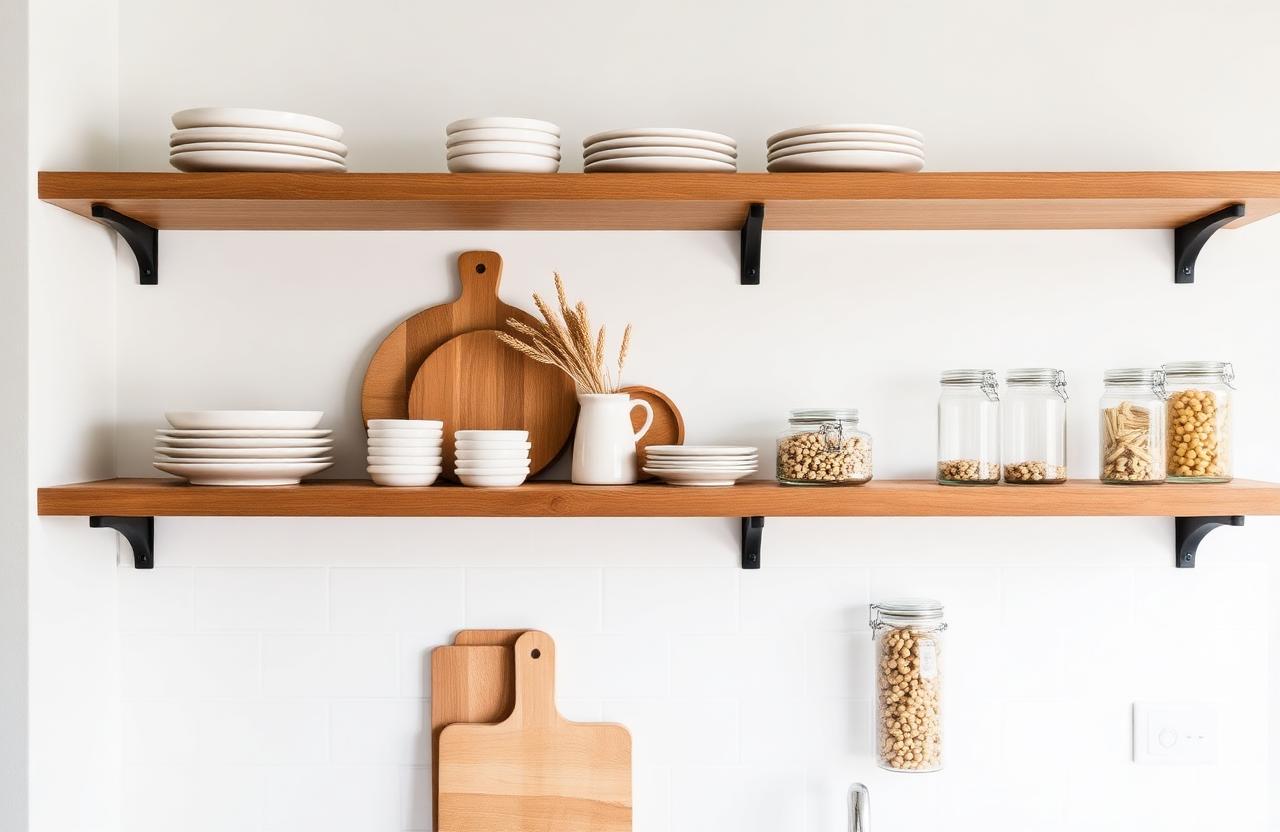
Open kitchen shelving is polarizing. Some people love the look; others panic at the thought of all that visible stuff. I've lived with open shelves for three years now, and here's the truth: they're high-maintenance but high-reward. When styled well, they make a kitchen feel warm and personal. When styled poorly, they make it feel cluttered and stressful. Here's how to land on the right side of that line.
The realistic pros and cons
Pro: Open shelves give your kitchen personality. Instead of a wall of identical cabinet doors, you see the things you actually use — ceramics, glassware, cookbooks. The room feels lived-in. Pro: they're cheaper than upper cabinets if you're renovating. Pro: they force you to edit, because everything is visible.
Con: Dust. Open shelves collect it, and anything on them needs occasional wiping. Con: discipline. You can't shove random stuff up there and close a door. Con: if you have a lot of mismatched kitchenware, open shelves will expose that. The solution is to style with intention and accept a small amount of maintenance.
What to display, what to hide
Display: matching sets of plates and bowls, glassware you actually use, wooden cutting boards, a few cookbooks, one or two plants, and a small collection of pretty jars or ceramics. Hide: food packaging, medicine, cleaning supplies, random lids, and anything plastic. The shelf is for show; the cabinets are for everything else.
Warm wood tones hide fingerprints
If you're installing new shelves or have a choice of finish, choose warm oak or walnut over white or cool gray. Wood hides dust and fingerprints better, adds warmth, and doesn't compete with what's on the shelf. White shelves can work, but they show every smudge and require more cleaning.
Frequently asked questions
Are open shelves practical for daily use?
Yes, if you're thoughtful. Keep frequently used dishes within easy reach. Store rarely used items elsewhere. The goal is beauty and function, not one or the other.
How do I keep things from looking cluttered?
Edit ruthlessly. Less is more. Leave a third of the shelf surface empty. Group items in odd numbers. Stack plates horizontally instead of lining them up.
What about grease near the stove?
Keep open shelves away from the range if possible. If they're nearby, wipe down items every week or so. Grease settles slowly — it's not as bad as you'd think.
Do I need matching dishes?
Matching helps but isn't mandatory. Cohesion matters more — stick to similar tones even if shapes vary.
Can I switch back to cabinets?
Yes. Open shelves are often mounted on cleats that can be removed. If you hate them, you can replace them with uppers later.
Final thoughts
Open shelving isn't for everyone, but for those willing to curate and maintain, it transforms a kitchen from functional to personal. Start small — replace one upper cabinet with a shelf — and see how you like the visibility. If it works, expand. If not, you've learned something.
Pin this for later
Save this guide to your Pinterest board so it's there when the weekend hits.
📌 Pin it on PinterestWas this helpful?

Emma Clarke
Founder & Editor in Chief
Emma is the founder and editor in chief of HomeBliss. Before starting the magazine she spent twelve years working as an in-home stylist for first-time buyers, renters, and weekend renovators across the UK and US. She believes the best decorating advice is honest, repeatable, and tested in a real home with a real budget — preferably one with a curious dog underfoot.
Related articles
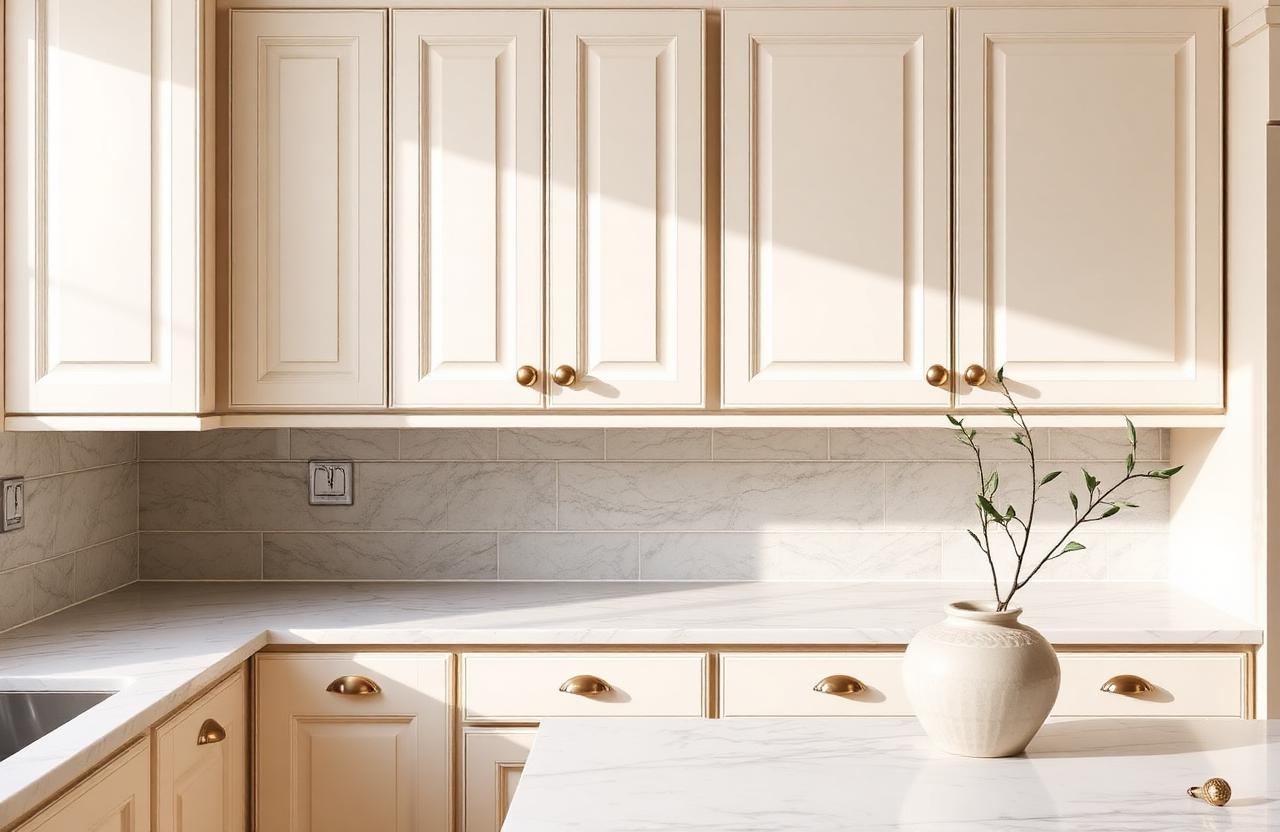
Kitchen Cabinet Refresh — Without Painting a Single Door
New hardware, peel-and-stick, and three rental-safe tricks that read as a full reno.
Emma Clarke·8 min read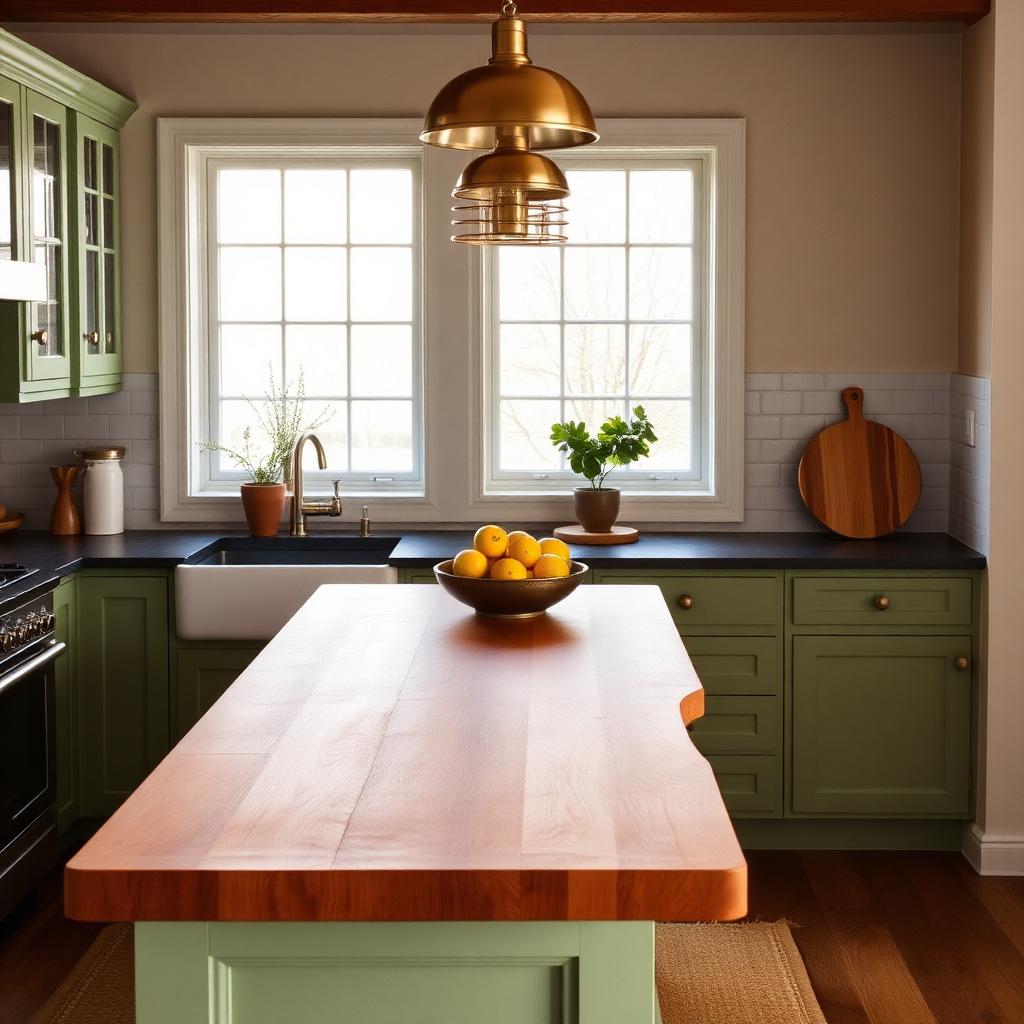
Butcher Block Island: The Complete Buying & Install Guide
Edge grain vs end grain, the species worth the money, and the weekend install that saves thousands over stone.
 Jordan Reyes·11 min read