The 3-Lamp Rule That Instantly Makes a Living Room Feel Designed
Three lights at three heights — the formula every interior stylist uses without thinking.
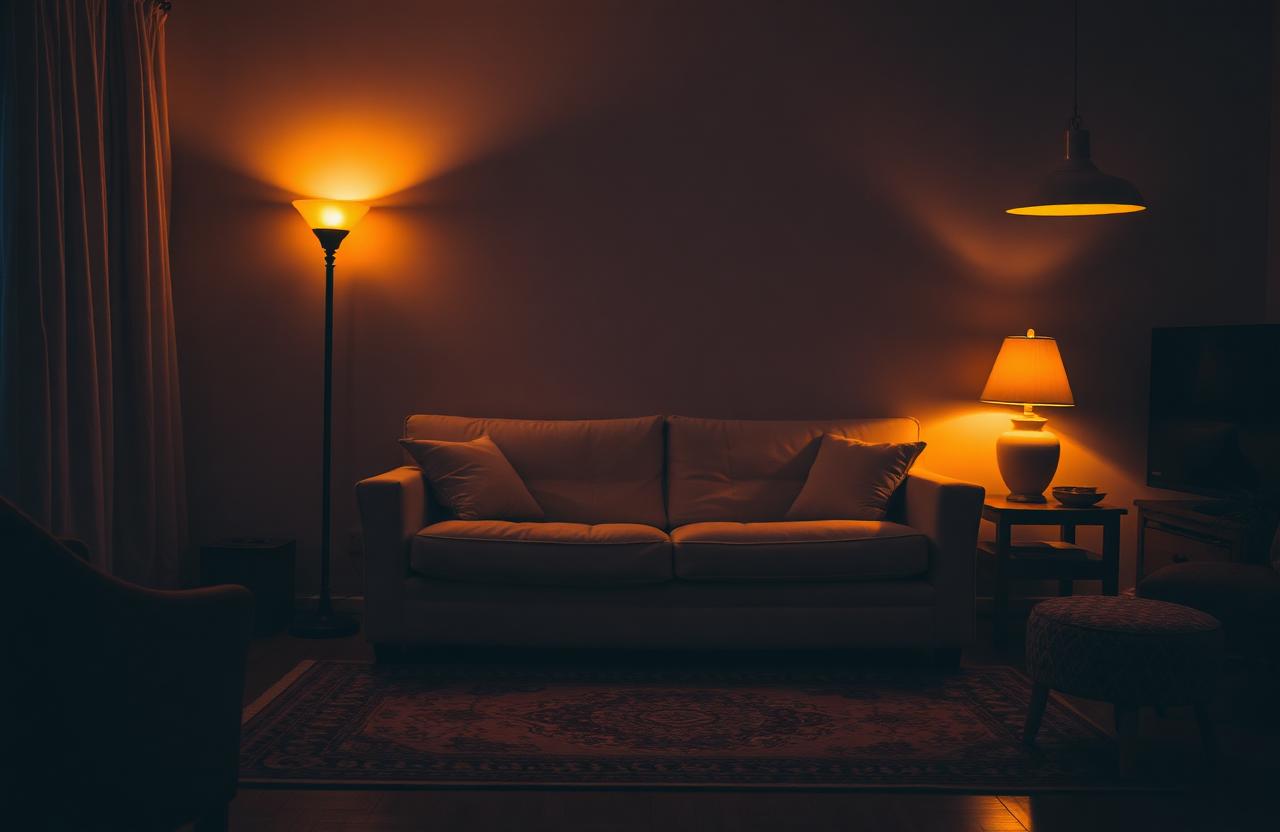
Every interior stylist knows the three-lamp rule — three light sources at three different heights in every room — and yet most people still rely on a single overhead fixture. That one decision is the difference between a room that feels flat and a room that feels designed. Here's how to apply the three-lamp rule to any living room, regardless of size or budget, and why it works so reliably that professionals never skip it.
The problem with single-source lighting
A single overhead light casts even, shadowless illumination across everything. That sounds functional, but it's actually unflattering — both to objects and to people. Light that comes from one direction doesn't create depth or mood; it creates a waiting room. Offices use overhead lights because they prioritize visibility over comfort. Living rooms should do the opposite.
The fix isn't complicated: add more sources. When light comes from multiple heights and directions, the room gains dimension. Shadows become soft instead of harsh. Colors look richer. Faces look better. It's the same reason photographers use multiple lights on set — one light flattens; several sculpt.
The three heights you need
Height one: ambient or overhead. This is your ceiling fixture, pendant, or chandelier. Keep it dimmable and choose a warm bulb (2700K). It sets the baseline brightness.
Height two: mid-level or task. Table lamps on side tables, buffet lamps on consoles, or a reading lamp beside the sofa. These add pools of warm light at eye level when seated and are usually the lights you reach for first in the evening.
Height three: floor or low. Floor lamps in corners, uplights behind plants, or candle-level sconces. These create a warm glow from below that softens the whole room and adds depth. This third layer is what most rooms are missing.
Where to place each lamp
For a typical living room: one floor lamp in the far corner, one table lamp on each end table flanking the sofa, and an overhead that you rarely turn on. That's three sources, three heights, and enough flexibility to light the room for movie night, conversation, or reading. Bonus points if you add a fourth source — maybe a lamp on a bookshelf or a strip of LEDs behind the TV.
"The three-lamp rule isn't about buying more stuff. It's about layering what you have so the room stops feeling flat."
— Emma Clarke
Frequently asked questions
What if I only have overhead lighting?
Add one plug-in floor lamp and one table lamp. Even those two additions will transform the room. Keep the overhead off when you're relaxing; use it only when you need full brightness.
Do all the lamps need to match?
No. In fact, a mix of styles usually looks better than a matched set. Just keep the bulb color temperature consistent (all warm white) so the room feels cohesive.
What wattage should I use?
Aim for 800–1100 lumens per lamp (equivalent to 60–75 watts incandescent). For ambient lighting, 1500–2000 lumens is usually enough for a whole room.
Are LED bulbs warm enough?
Yes — as long as you buy 2700K. Anything higher (3000K, 4000K, 5000K) will read cooler and less inviting. Check the box.
How much should I spend on lamps?
You don't need expensive lamps. Thrift stores, estate sales, and budget retailers all have solid options. Put your money into good bulbs instead of fancy bases.
Final thoughts
The three-lamp rule is one of the simplest, highest-impact changes you can make in a living room. It requires no construction, no permits, and no particular skill. Add a lamp today — even just one — and feel the room shift. Once you notice the difference, you'll never go back to single-source lighting.
Pin this for later
Save this guide to your Pinterest board so it's there when the weekend hits.
📌 Pin it on PinterestWas this helpful?

Emma Clarke
Founder & Editor in Chief
Emma is the founder and editor in chief of HomeBliss. Before starting the magazine she spent twelve years working as an in-home stylist for first-time buyers, renters, and weekend renovators across the UK and US. She believes the best decorating advice is honest, repeatable, and tested in a real home with a real budget — preferably one with a curious dog underfoot.
Related articles
How I Refreshed My Entire Living Room for Under $500
You don't need a designer's budget to get a designer's look — here's the exact weekend playbook I used.
Emma Clarke·12 min read
The Best Paint Colors for 2026 (And the Ones to Skip)
The warm, grounded palette that's quietly replacing greige in every magazine spread.
Emma Clarke·9 min read